


نصائح السلامة المتعلقة بإطارات الدراجات النارية وإرشادات الوقاية من الحوادث أثناء القيادة في المطر
Release time: 2026-01-16
جدول المحتويات
Riding a motorcycle in the rain requires extra caution and preparation, as wet road conditions significantly affect traction, handling, and braking performance. Tire behavior becomes a critical factor in overall riding safety, and even small mistakes can increase the risk of slipping or losing control. The following guide focuses on key questions riders often face regarding إطارات الدراجات النارية and safe riding practices in rainy conditions, helping reduce risks and improve confidence on wet roads.
1、Why are motorcycle tires more likely to lose grip in rainy conditions?
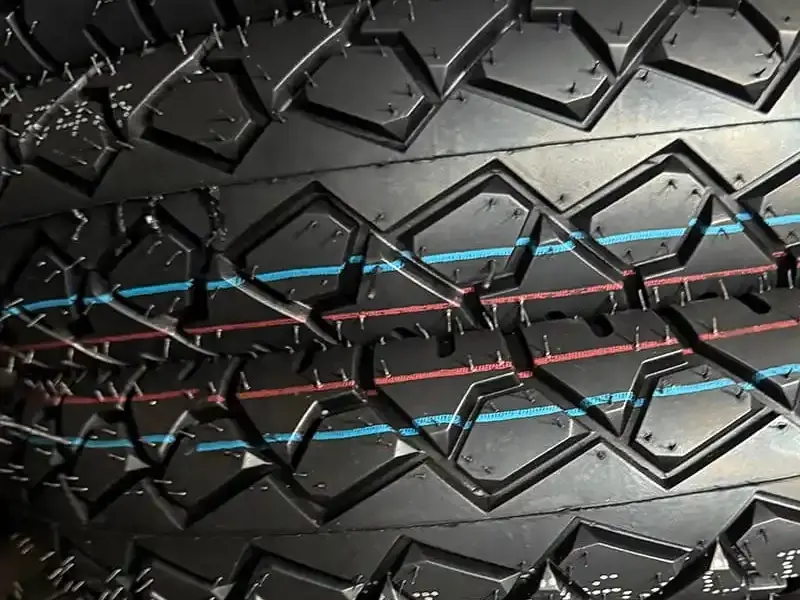
Rain reduces the friction between the tire and the road surface, making it easier for the tire to slip. Water creates a thin layer between the rubber and the asphalt, and if the tire tread cannot effectively disperse this water, traction drops significantly. This is why proper tread depth and a suitable rubber compound are critical for maintaining grip in wet conditions.
2、How should I check my motorcycle tires before riding in the rain?
Before riding, inspect the tire tread to ensure it is not excessively worn, as shallow tread cannot channel water away effectively. Check the tire pressure and adjust it according to the manufacturer’s recommendations. Proper inflation helps maximize the contact patch and improves stability on wet roads.
3、What riding speed is safest when roads are wet?
In rainy conditions, lower speeds are always safer. Wet roads increase braking distance, so reducing speed gives you more time to react to sudden obstacles. Smooth throttle input and gradual braking help prevent the tires from losing traction.
4、How should I handle braking in the rain?
Braking should be applied gently and progressively, using both front and rear brakes together. Sudden or aggressive braking can cause the tires to lock or slide, especially on slippery surfaces. If your motorcycle is equipped with ABS, it can help reduce the risk of wheel lock, but controlled braking technique is still essential.
5、Are there specific road surfaces I should avoid during rainy rides?
Yes, certain surfaces become extremely slippery when wet, including painted road markings, metal manhole covers, bridge decks, and areas with oil residue. When crossing these surfaces, keep the motorcycle upright and avoid braking or sharp turns until you are back on stable pavement.
6、How can I reduce the risk of skidding while cornering in the rain?
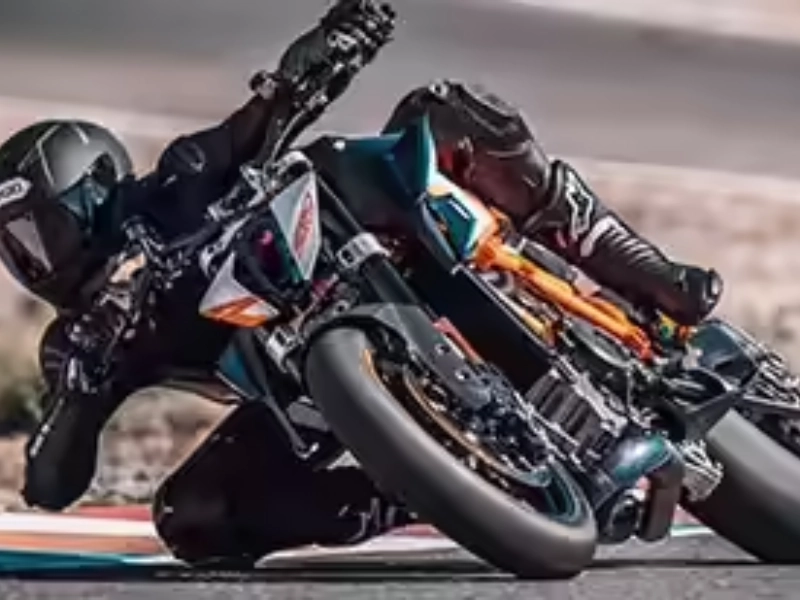
Approach corners at a reduced speed and avoid leaning the motorcycle excessively. Enter the turn smoothly, maintain a steady throttle, and focus on gentle steering inputs. This minimizes side forces on the tires and helps maintain consistent traction.
7、Does tire pressure affect wet-weather riding safety?
Yes, tire pressure has a direct impact on wet-road performance. Overinflated tires reduce the contact area with the road, while underinflated tires can make handling unpredictable. Always follow the recommended pressure settings to ensure balanced grip and control in rainy conditions.
8、What riding habits can improve overall safety in the rain?
Adopting a defensive riding mindset is crucial. Increase your following distance, anticipate the actions of other vehicles, and remain alert to changing road conditions. Wearing appropriate waterproof riding gear also helps maintain comfort and focus, which contributes to safer control of the motorcycle.
By understanding how premium إطارات الدراجات النارية behave on wet roads and adjusting your riding technique accordingly, you can significantly reduce risks during rainy rides. Proper tire maintenance, smooth control inputs, and heightened awareness together form the foundation of safe motorcycle riding in rainy conditions.